Introducing HX: Human Experience in a Tech-Infused World
We are at an inflection point; one that re-examines our relationship to and with technology. Not only is society still grappling with the uncertainty of how and how long COVID-19 will alter our daily routines, the Facebook Files and other reporting has elevated this conversation into the public sphere. Research is emerging on two competing ends: Some is demonstrating how social media served as a critical lifeline for many young people during the pandemic. Other research is exploring the potential negative connection between our well-being and tech.
From relationships to mental health to identity, the way we integrate tech into our lives can have profound effects on our most fundamental human needs. It’s increasingly clear that the challenges of the digital age are more complex and more urgent than anticipated.
Yet our conversations remain stuck on superficial indicators like screen time, and the debate about tech is often reduced to polarizing stances. We still lack the language, protocols, and supports to help navigate a tech-infused world, particularly for young people. And worse yet, too many of us feel alone or powerless in the pursuit of a healthier digital era.

But there’s good news. We have what it takes. New problems require new alliances.
And new ideas.
In partnership with seven organizations and inspired by the voices of young people, last month SCE announced the HX Project, a ground up effort to introduce common language and connect existing fields that are all working toward making our relationships to technology healthier and more equitable. We are honored to be a part of this collaboration between All Tech is Human, Aspen Institute, Data & Society, Headstream, Harvard’s Project Zero, Pivotal Ventures, the University of California Irvine’s Connected Learning Lab and Connected Camps, and a team of young people.
What is HX?
HX is our north star in a tech-infused world. It’s a new lens on the complex challenges of the digital age and an approach that guides us toward constructive conversations and solutions.
Short for Human Experience, HX is an approach to talking about, engaging with, and designing technology that is centered on our needs as humans — not users.
HX offers shared language, values, and goals for creating healthier connections with our tech and more inclusive digital spaces. The concept emerged from the intersection of many areas of work — including digital citizenship, digital wellbeing, humane tech, ethical tech, and responsible tech — that are all creating ways to make our online lives more human – but are not always acting together. We hope HX can be a connective tissue for the interdisciplinary and emerging coalition of stakeholders that cares deeply about the lived experiences of youth. Together, we can ask new questions, create new resources, and craft a new vision that’s motivated by one question: How can we improve our HX?
Read more in this CNN feature or this TechCrunch op-ed.
What’s Next?
This is just the beginning. We’re currently at the start of what will be an open and collaborative experience. As part of the HX Project, we hope to call in and foster collaboration among anyone who wants to advocate for and contribute to the creation of a better HX. We aren’t the first to identify this opportunity to create a better HX, but we are eager to facilitate and steward the collaboration necessary to make this happen.
For more information on how this group formed and our philosophy, please read this great blog post from our partners at Connected Learning Alliance, Project Zero, and Data & Society. Additionally, hear from our partners at Aspen Institute here and David Ryan Polgar from All Tech is Human here.
So, what’s the path to a better HX? It’s going to take all of us. From here the project will evolve, expand, and share the HX concept so it can be used to better understand, articulate, and improve the human experience. If your work sounds like it fits into HX or you’d like to learn more, please visit hxproject.org and contact us at info@hxproject.org. We hope you join us!
After-School All-Stars: Adapting to Support Students’ Needs
It is no surprise that over the past year-and-a-half afterschool programming has shifted dramatically due to the pandemic. Just as “in-school” time has mostly been virtual, out-of-school activities were paused or virtual as well.
We spoke with one of our partners, After-School All-Stars (ASAS), to learn more about what shifted due to the pandemic but more so about what needs to happen moving forward to support students’ recovery socially and emotionally. In many areas of the country, students are returning to school for the first time in over a year. While the majority attended classes virtually, a significant number (especially those in marginalized communities) were completely disconnected and unreachable. To anticipate the needs of both partially and fully disconnected students, ASAS is offering special support to help navigate educational and social environments that have drastically changed.
Here are a few of After-School All-Stars’ goals and creative methods for supporting students:
Reconnect Students with the Education System in a More Lasting Way
Increased Social Emotional Learning (SEL) and Trauma Support
It is clear that SEL and trauma-informed practices will be even more critical. ASAS has piloted an SEL-integrated curriculum in several cities and has trained staff from all chapters on implementing SEL curricula. These workshops focused on both the well-being of staff members themselves, how to support students through trauma and how to implement SEL into current programming.
Focus and Enhance Mentorship Practices
In order to counter the impact of student isolation, ASAS is continuing to find ways to be more intentional in enhancing mentorship practices. The relationships built through their programs are some of the strongest relationships many of the young people have and are a fruitful opportunity for practicing SEL skills.
Encourage Self-Expression
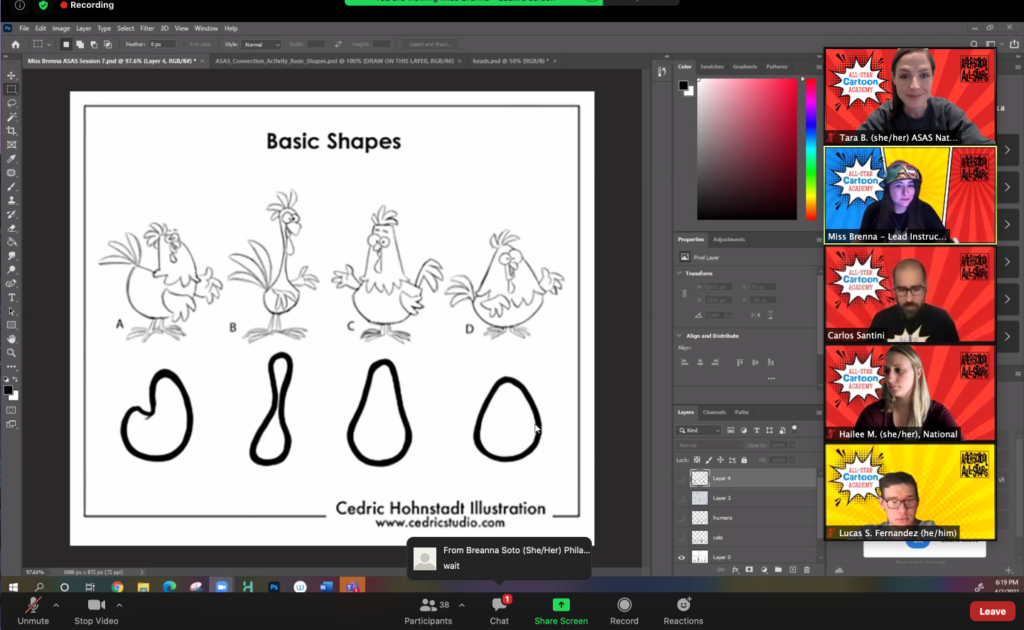
Through their All-Star Academies – a new model of intensive skill-building courses – ASAS elevates youth voice and creativity while supporting young people’s self expression through spoken word, music, storytelling, animation and more. For a closer look into All-Star Academies, learn more about their Cartoon Academy here. As students return after a period of isolation and universal trauma offering safe spaces for self-expression will support their social and emotional health.
Re-engage the Disconnected
Wellness Check, Needs Assessments and Family Outreach Process
At the onset of the pandemic, ASAS started conducting wellness checks to keep in contact with students’ families and connect them with basic resources. As part of COVID recovery, ASAS is assessing the specific needs in each chapter and adapting wellness checks as indicated to provide continued support. Above and beyond typical programming, ASAS is also conducting needs assessments of their students, families, and communities so that they can be connected to any resources that would be useful.
Shift from School Focus to Community Focus
ASAS plans to reach displaced students by expanding services and incorporating new program locations to meet students where they are, including not only schools but also nontraditional sites such as affordable housing communities, recreation centers, and libraries.
The educational landscape has shifted due to the pandemic but ASAS and other afterschool organizations remain an important part of young people’s day and have gone above and beyond to meet students where they are, understand their needs, and provide further support. We are grateful to be able to learn alongside organizations such as After-School All-Stars as they pivot to meet the changing needs of our young people and allow them to thrive even in trying times.
About After-School All-Stars
Founded in 1992 by Arnold Schwarzenegger, After-School All-Stars is a leading national provider of free, comprehensive afterschool programs. The organization’s mission is to keep children safe and help them succeed in school and in life. All-Star students and families are disproportionately impacted by multiple layers of crises during this pandemic. ASAS programming provides solutions to basic needs for families, improves students’ learning experience, and amplifies youth voice. For more information, please visit: www.afterschoolallstars.org
Youth Voice in the Digital Age Cohort: Convening Two
It was time again to convene our Youth Voice cohort for (hopefully) the last virtual gathering. We originally assembled our Tech and Society ‘Youth Voice in the Digital Age’ cohort in pursuit of the answer to a single question: How can young people inspire their peers to use technology in healthy ways and make digital spaces better for everyone? At the time, we didn’t know just how much of an impact technology would have on our lives during the pandemic, and each organization has made creative pivots to address the challenges that last year brought.
Our first convening, hosted last October, focused on community building within the cohort and best practices for elevating youth voice in programming. During convening two we continued our road trip, with the theme being “speed bumps:” challenges that youth are facing in their pursuit of digital well-being and challenges that adults encounter in authentically engaging youth around these issues. As a community, we are building towards the third convening, where we will collectively identify the most promising opportunities to foster peer-to-peer action around digital well-being.
Though our road trip is not yet done, we are proud to see early victories from each organization. Above all, we are learning that youth feel agency and a sense of urgency around issues of digital well-being, and our cohort members are responding in kind. Here are just a few examples of the ways youth are using their voices in this conversation.
Podcasts and Gaming as a Safe Space
Youth are eager for opportunities to reflect and share their experiences with technology in a positive, safe space, but creating those spaces authentically can be challenging. Thankfully, many of the teams, such as those at the Beam Center, Spy Hop Productions, Digital Harbor Foundation, and Games for Change are working to create safe spaces for youth to grapple with pressing digital well-being topics. Podcasts and gaming are two venues that are proving to be relatable and effective outlets for young people. For instance, Digital Harbor Foundation’s Critical Tech Podcast program has empowered Baltimore City youth to lead community discussions about the most pressing technology issues facing youth today. Listen to the first 13 episodes here. In another example, Youth Avenue is a podcast produced by the Healthy Digital Futures Youth Research Team at the Beam Center. It examines issues around digital spaces and the way youth interact with them. Youth Avenue is backed by original research completed by youth research teams during the summer of 2020. Listen to the first episodes on virtual learning and cancel culture here.
Empowering Youth to Design their Own Solutions
Digital life can be overwhelming. Unfettered access, a constant spotlight, social comparison, fear of being cancelled…the list goes on. Gen Z knows this all too well. Another speed bump identified by members of the cohort was the general overwhelm and struggle youth feel in trying to find balance in digital life and experiences. For example, not knowing when to take a technology break, losing self-esteem because of social comparison, staying up to date on current events and speaking intelligently about them, worrying about self-perceptions and cancel culture. This feeling of overwhelm, along with many other factors in not feeling as if youth have agency around their digital experience or the ability to change it, can lead to feelings of powerlessness.
The teams at Peacecasters, Yale Center for Emotional Intelligence, and YES are empowering youth to prioritize the issues that matter to them, find solutions and act on them through the development of curriculum or localized projects. In one such project from a Yale inspirED team, students identified safety as an area for growth in their school, citing new concerns due to COVID-19 and mask-wearing on the buses and other common spaces. They created and distributed a Google survey to compare feelings of safety between the in-person and distance learning students and look for action steps to help everyone feel safe.
“Our team has been so impressed by the inspirED students’ consistent compassion for others. When offered the opportunity to advocate for any change at their school that they wish, they continue to surprise us with their concern for their peers and willingness to use their position to help those around them.”
Jessica D. Hoffmann, Ph.D. Associate Research Scientist, Yale Child Study Center & Director of Adolescent Initiatives, Yale Center for Emotional Intelligence
From Research to Practice
Two of the cohort projects from Project Zero and Erikson Institute are focused on integrating youth in the process of research, data collection, and analysis. Youth are then producing toolkits to share these findings with a broader audience. Based on key insights from youth focus groups, the team at Erikson Institute is empowering high school students to deliver content in an informal learning space rather than formal settings (e.g. school) or through adult facilitators. They are truly meeting youth where they’re at and working to ensure that youth voice is at the center of program design, content development, and delivery.
As we all know, challenges have been plenty this past year and yet we are inspired by the momentum of this cohort in taking the opportunity to connect with youth digitally (how meta!) and in some cases to reach broader audiences. Along the way, this diverse group of organizations and projects have approached a few speed bumps but have continued to their road trip destinations.
We look forward to next summer’s, dare we say, in-person convening focused on opportunities! We see a lot of opportunity for these projects, the Youth Voice cohort as a whole and for all of the youth participants.
Announcing SCE’s Million Coaches Challenge Partners
When we announced our Million Coaches Challenge last Fall the world was at the height of the pandemic and nearly all youth sports were halted. Even pre-pandemic, fewer kids play sports each year. When many team environments place more emphasis on winning than on having fun, that’s unsurprising. A good coach can play a transformational role in a child’s experience. The solution? Train one million coaches in youth development techniques by 2025.
Now as the world gets closer to “normal” and more sports and activities resume, high-quality youth development training for coaches becomes even more critical. The last year has been challenging for youth and their families and they are aching to return to sports. Sports are a place for building community, exploring interests, physical activity, and increasingly, healing from trauma and stress. They can also be an ideal context to develop critical life skills, teaching kids how to work together, celebrate success, manage failure, and build healthy relationships with peers and adults. Each of these benefits has become increasingly valued as the pandemic wears on.
However, less than one third of the country’s six million coaches have been trained in youth development practices. This is a missed opportunity. So, we have selected the boldest, most innovative actors to close this gap.
We’re proud to partner with 10 exemplary organizations to train one million coaches by 2025 and build a future where all youth are equipped with the skills they need to thrive. Over the next three years, we’re excited to collaborate with this cohort, learn from their expertise, and share our learning with the field.
Read on to learn more about our Million Coaches Challenge partners.

Center for Healing & Justice Through Sport – The Center for Healing and Justice Through Sport’s mission is to make sport healing for all youth, everywhere, through training, consulting, and movement building. Their project will expand healing-centered coaching through training and dynamic support tools in order to reach 15,000 sport practitioners and 250 organizations. In addition to the expansion of trainings offered, CHJS will produce resources complementary to trainings including a Healing-Centered Sport Toolkit and CHJS Office Hours.
Girls on the Run International – Girls on the Run’s mission is to inspire girls to be joyful, healthy, and confident using a fun, experience-based curriculum that creatively integrates running. Their three-year initiative will enhance the Girls on the Run National Coach Training model, allowing GOTRI to reach and train 70,000 new coaches across all 50 states and the District of Columbia.

Laureus Sport for Good Foundation USA – Laureus Sport for Good Foundation was founded in response to Nelson Mandela’s challenge, issued at the first Laureus World Sports Awards in 2000, that “sport has the power to change the world.” Their vision is to use sport as a powerful and cost-effective tool to help children and young people overcome violence, discrimination, and disadvantage in their lives. Through their initiative, they will train 10,500 youth sport coaches throughout the US in sports-based youth development, including positive youth development & social-emotional learning approaches.
Little League International – Founded in 1939, Little League International is the world’s largest organized youth sports program, with millions of players. Little League believes in the power of youth baseball and softball to teach life lessons that build stronger individuals and communities. Their initiative will ensure proper coaching preparation by level and division focusing on age-appropriate youth development, SEL, and inclusion. Little League endeavors to train 120,000 coaches across the country by 2025.
LiFEsports at The Ohio State University – Since 2009, LiFEsports, held at The Ohio State University, has grown to address the ever-changing needs of our community’s youth and the field of sport-based positive youth development (PYD). Through in-person and online Social-Emotional Learning (SEL) trainings and modules, they will reach at least 15,000 coaches from across Ohio with this initiative.

Positive Coaching Alliance – Founded in 1998, the Positive Coaching Alliance (PCA) mission is to transform the youth sports culture into a positive youth “Development Zone” where all youth and high school athletes have a positive, character-building experience in which they can develop social-emotional learning (SEL) skills. As an anchor partner of Million Coaches Challenge, PCA will train over 400,000 youth sports coaches to incorporate SEL and PYD into their coaching practices.
U.S. Soccer Foundation – The mission of the U.S. Soccer Foundation is to provide underserved communities access to innovative play spaces and evidence-based soccer programs that instill hope, foster well-being, and help youth achieve their fullest potential. In the next three years, 30,000 adults will be trained as coach-mentors.

The U.S. Olympic & Paralympic Foundation – The U.S. Olympic & Paralympic Foundation serves as the primary source of philanthropic resources for the U.S. Olympic & Paralympic Committee (USOPC). This critical financial support allows the USOPC to invest in areas that promote excellence and innovation for Team USA. Founded in 1894, the U.S. Olympic & Paralympic Committee is focused on protecting, supporting and empowering America’s athletes, and is responsible for fielding U.S. teams for the Olympic, Paralympic, Youth Olympic, Pan American and Parapan American Games. The USOPC will work individually with National Governing Bodies to create supplemental sport-specific materials to further enhance the learning opportunity and promote the initiative to over 250,000 coaches nationwide, training 40,000 over a three-year period.
USA Fencing, USA Triathlon, and USA Weightlifting – USA Fencing, USA Triathlon, and USA Weightlifting are the National Governing Bodies (NGBs) for their respective sports and are headquartered in Colorado Springs, Colorado. They will work together to create a grassroots SEL Program, including an online coach Module, Refresher Course, and in-person Clinic. Through this initiative, they will train 6,000 coaches in their organizations and work collaboratively with other NGBs to implement SEL coach training that utilizes best practices in adult learning.
Washington Interscholastic Activities Association – The Washington Interscholastic Activities Association (WIAA) is the governing body of athletics and activities for secondary education schools in the state of Washington. CoachUp! Washington is a collaborative initiative between the WIAA and the University of Washington’s Center for Leadership in Athletics that will bring foundational SEL training to 44,000 middle and high school coaches in WA State, provide opportunities for coaches to deepen SEL practice and bring more women into the coaching profession.